You are the end user. We run the work.
Most organisations have the policies, standards and plans. What they lack is a team with the hours to turn them into how each site and department works, and to show the board that it has happened. That is the gap we sit in: between the transactional systems that log the data and the audit that comes once a year.
The void between systems and audit
Three things usually exist. The one that makes the standard real is the one nobody has capacity for.
Safety, risk, maintenance and learning systems record events and training. They do not tell you whether a standard is understood or lived at site.
Practitioners who sit with your leaders, read the real situation from the people doing the work, close the gaps and keep the evidence current, all year.
Independent, necessary and late. By the time the finding lands, the gap has been open for months and the fix falls to a team that is already stretched.
How we phase the work
Within a program, projects move through up to four phases. We only use the ones you need. Some clients start at Diagnose. A mature operation might only need Assure.
{{ ph.name }}
{{ ph.what }}
- {{ a }}
{{ ph.out }}
Formative assessment with your leaders
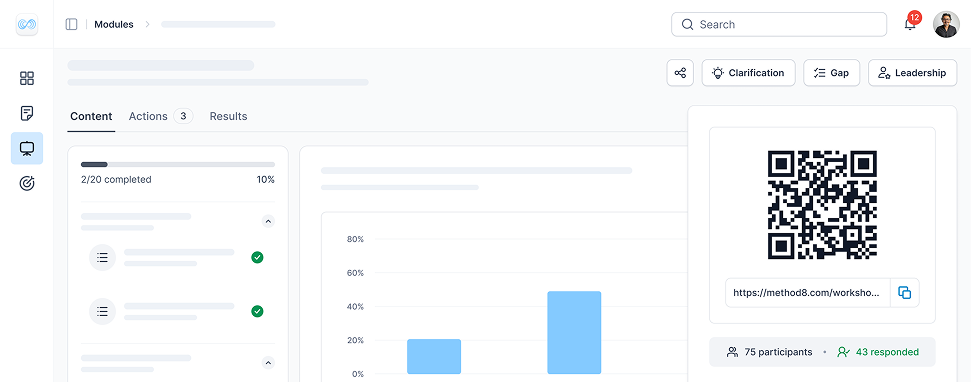
A one to two hour facilitated session with a team: short instruction, live scoring, discussion, actions. It tests understanding rather than ticking boxes, shows what is working and what is not, and turns feedback into actions someone owns.
The method comes from decades of learning-science research on how adults build shared understanding. It is how we read a standard, a model or a plan from the people who live with it, and why teams take part instead of filling in another survey.

How the work is organised
A program is the standing commitment, with a sponsor on your side and a lead practitioner on ours. Inside it, projects are the units of work: one standard across ten sites, one planning cycle. Each moves through the phases it needs and finishes with evidence and a closed action list.
What we are, and what we are not
Project tools, survey platforms, consultancies and audit each do part of this job well. None is built for the executive who has to own the result.